 president · ~8 yrs
lester mason
Long-serving inaugural president. Led the Celtics. Driving force behind the association's first decade.

// our story · #WarriorSpirit
From a doorknock fundraiser and a borrowed assembly hall in 1972 to the largest basketball association in Gippsland — this is the story of how it started, and the people who built it.
1972
established
over 50 years on court
300+
teams weekly
junior + senior
9
courts
across 5 venues
8
member clubs
across baw baw shire
~4k
venue visits
every week
1972
// the beginning
"In the early seventies, John Vickerman returned to the area and found no basketball being played. A small committee got to work."
// how it started
Basketball in Warragul began with a problem — there wasn't any. When co-founder John Vickerman returned to West Gippsland in the early 1970s, he found a community without the game. Alongside Lester Mason, Peter Juratowitch, Brendan Beasley and inaugural secretary Daryl Donaldson, he set about changing that.
The committee operated for around two years before securing a venue, and the community even door-knocked across the town over a single weekend to raise funds for the sport. The Warragul and District Amateur Basketball Association was formally founded in 1972. Early competitions soon moved to the Assembly Hall — five nights a week of court time — and the junior competition began to take structured shape under Vickerman, Juratowitch, and John Gilchrist.
Five clubs led the original competition: Gladiators, Pubtrotters, Vikings, Celtics, and Rebels. From those founding nights in a borrowed hall, more than fifty years of basketball followed.
// the people who started it
Five people who saw a town without basketball and decided to do something about it. Their work in the early '70s is the foundation everything since has been built on.
president · ~8 yrs
Long-serving inaugural president. Led the Celtics. Driving force behind the association's first decade.
co-founder
Returned to find no basketball being played. Started the committee. Led the Gladiators. Father of NBL coach Dean Vickerman.
co-founder
Led the Vikings. Co-architect of the Gippsland League — the inter-town competition that linked Warragul to the wider region.
co-founder
Led the Rebels. Foundational committee member. Stayed connected to the association across decades.
first secretary
Inaugural secretary. Held the paperwork together while the rest of them got the basketball going.
gladiators
Led by John Vickerman
pubtrotters
John Gilchrist & Lorraine Moss
vikings
Led by Peter Juratowitch
celtics
Led by Lester Mason
rebels
Led by Brendan Beasley
// our history
From a borrowed hall to elite Big V basketball — the moments that shaped the WBA.
1972
// foundation
// where it all started
The association was formally established under co-founders Lester Mason, John Vickerman, Peter Juratowitch, Brendan Beasley and inaugural secretary Daryl Donaldson. A community-wide doorknock fundraiser kicked things off, and competition launched soon after at the Assembly Hall — five nights a week of basketball.
1980s
// inter-town basketball
// the gippsland league forms
Through collaboration between Peter Juratowitch and Jack Vanstone of Pakenham, the Gippsland League was established as a Sunday home-and-away competition for senior men's, women's, and U16 teams. The original lineup: Pakenham, Sherbrooke, Warragul, Poowong, Korumburra, Leongatha, Phillip Island, and Wonthaggi. The league later expanded into East and West Gippsland divisions, cementing Warragul's place in regional basketball.
1986
// our home opens
// the warragul leisure centre
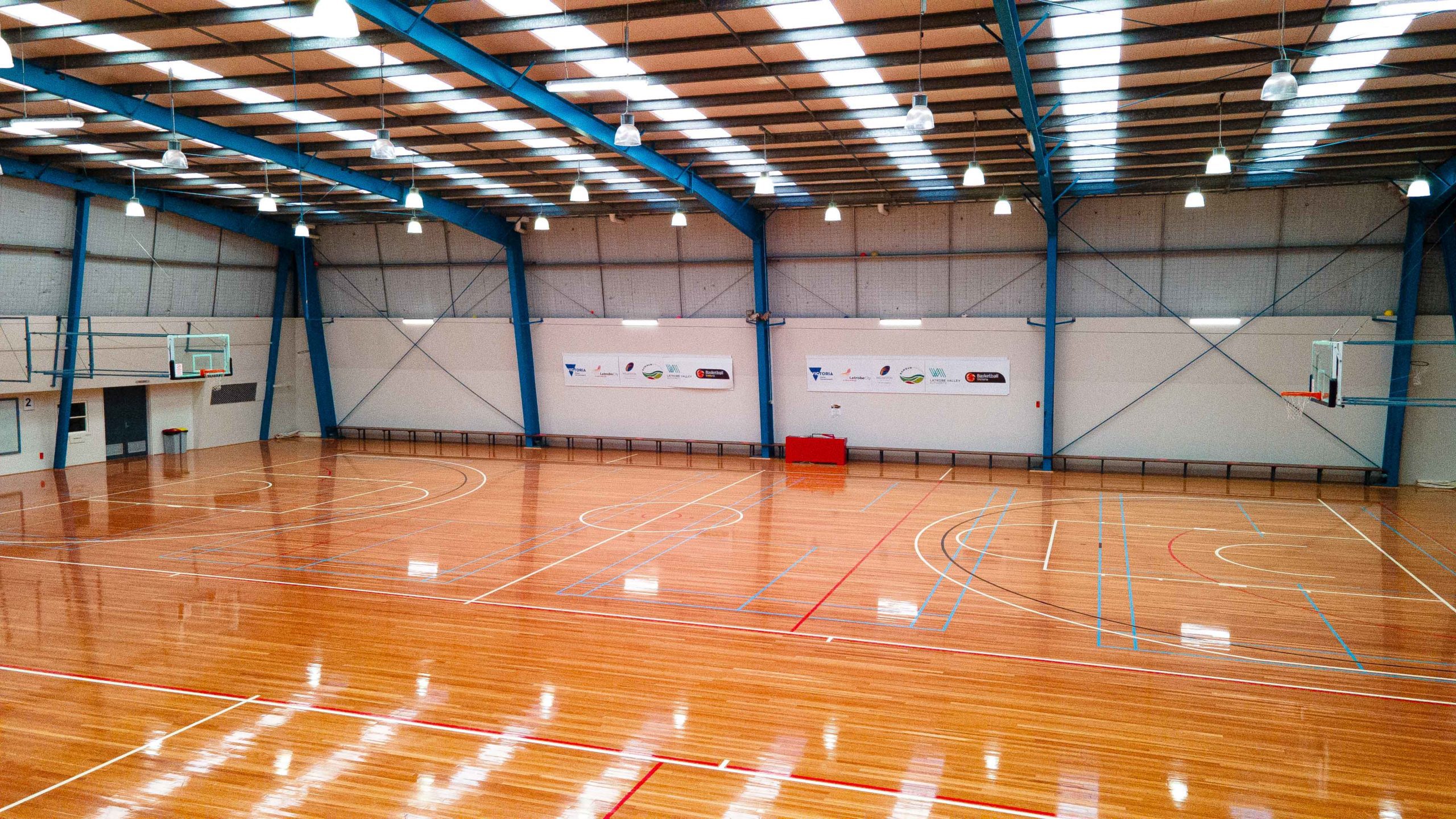
The opening of the Warragul Leisure Centre marked a turning point — three full-size courts and the first dedicated headquarters in the association's history. Soon after, the WBA began running tournaments, occasionally drawing NBL clubs like Coburg Giants and Nunawading Spectres to play in town.
WARLC has since been expanded twice to keep pace with demand. It's been our home for nearly 40 years.
2001
–09
// big v era
// elite basketball at warragul
From 2001 to 2009, Warragul competed in the VBL/Big V — the highest level of community basketball in Victoria. The association made the climb count: back-to-back Division One Runners-Up in 2004 and 2005, then a Division Two Championship in 2006 with a 3-game series win over Maccabi.
The era's individual standout was Mike Santo — three-time All-Star, the league's 2005 MVP, scoring title that same year, and a 54-point Game 1 in the 2006 finals on his way to Finals MVP. Now a Life Member.
2006 — div 2
champions
2004 + 2005
div 1 runners-up
mike santo
3× all-star · league mvp
2020s
// modern era
// renewed structure, renewed ambition
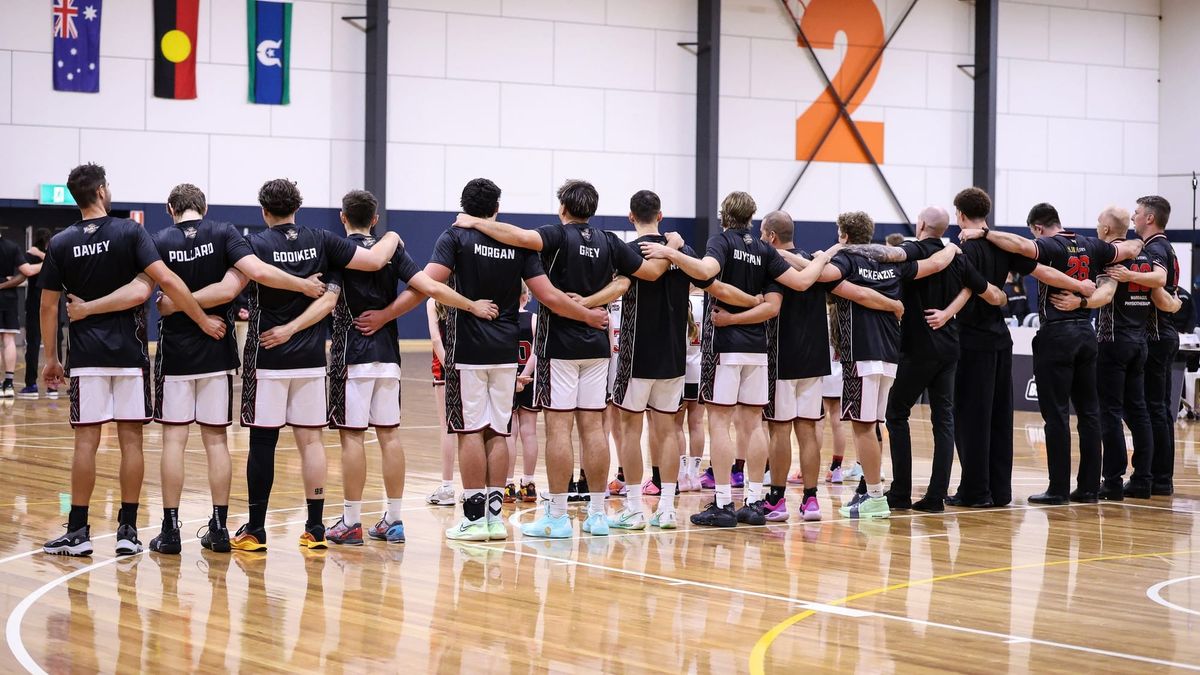
The 2020s brought modernised governance. The constitution was rewritten in 2020 and a new seven-member board adopted in October 2021. A Strategic Plan 2023–2028 was developed under the vision "to provide high quality and inclusive basketball experiences."
WBA also successfully advocated for a two-court expansion at the Warragul Leisure Centre, and a brand-new facility opened at Drouin Primary School in late 2025 as part of a $22M school redevelopment. And in 2026, after seventeen years away, Warragul returns to Big V as an independent entity — building on the 2006 championship legacy.
2020 — 2021
new constitution + seven-member board
2023 — 2028
strategic plan in place
2026 — return
warragul back in big v
 // full circle
// the wba's most notable graduate
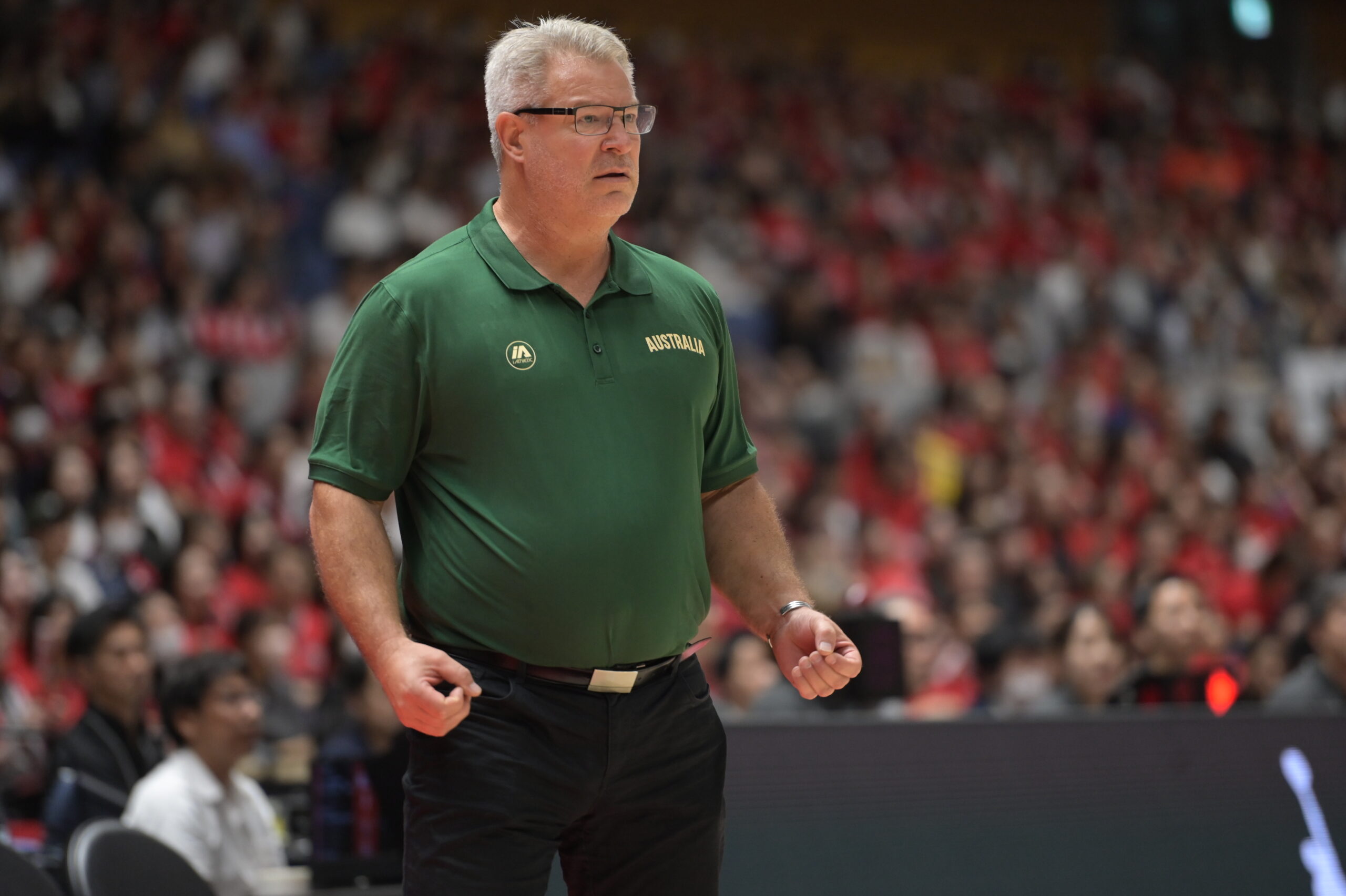
Dean Vickerman is the son of WBA co-founder John Vickerman. He came up through the very junior basketball system his father helped build — playing his first basketball as a kid in the same association he was now part of by family.
That kid went on to become head coach of NBL club Melbourne United. Across nine years and 398 games, he led United to championships in 2018 and 2021, finished with a 249–149 record (62.6% win rate), and was named NBL Coach of the Year three times — cementing his place among the most decorated coaches in the league's history.
He stepped down from Melbourne United ahead of the 2026/27 season, and now takes the next chapter to Nagasaki Velca in Japan. From a doorknock fundraiser in 1972 to two NBL championships and a head coaching role overseas — this is what a community association can produce when it gets it right.
// today, by the numbers
The WBA has grown from a single borrowed hall into the largest sporting organisation in Gippsland — generating around 4,000 venue visits every week across the region.
// headquarters
warragul leisure centre
Opened 1986. Twice expanded. Our home for ~40 years.
bellbird park
Drouin · second court added c.2000
drouin primary
Brand-new facility · opened late 2025
neerim south
Regional venue · serving the Neerim community
bunyip
Bringing basketball to the wider Baw Baw region
// our honour roll
The highest honour the association awards. Recognising those who have given extraordinary, sustained service to basketball in our community.
j. hibbert
lester mason
john vickerman
g. hill
j. gilchrist
l. moss
m. eyles
brendan beasley
debbie fleming
faye mclachlan
k. mclaren
david axford
mike santo
paul potter
// the next chapter
What started in a borrowed hall in 1972 now spans nine courts, five venues, eight clubs, and over 300 teams every week. Be part of the next chapter.